

The Growing World of Cannabis: Uses, Benefits, and Market Trends
The conversation around cannabis is shifting from the shadows into the mainstream. While some explore alternatives like k2 paper, many are turning their attention to the diverse applications of the cannabis plant itself. From wellness routines to economic growth, cannabis is proving to be a versatile and powerful force. This post will explore its primary uses, the benefits driving its popularity, and the incredible growth of the global market.
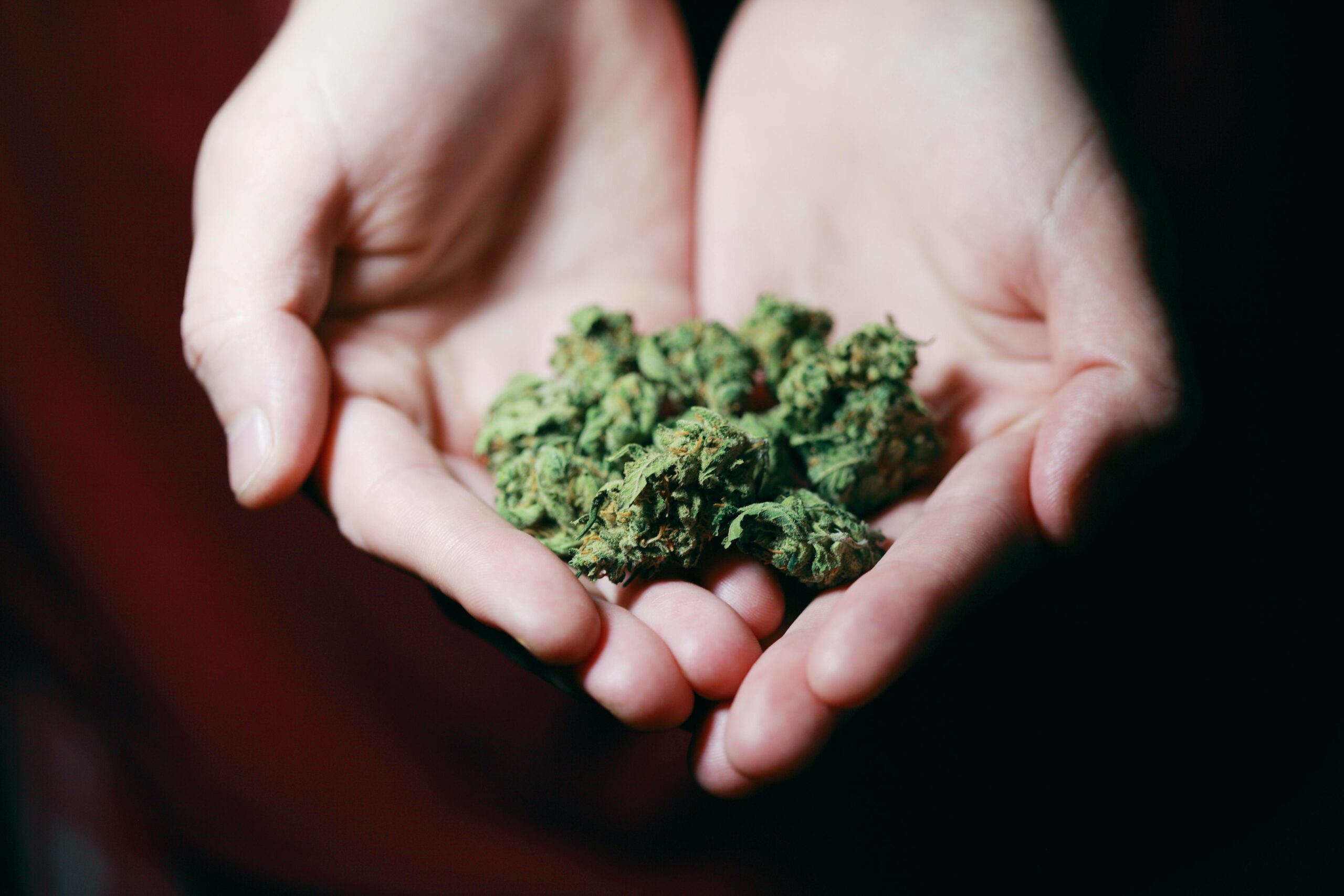
Understanding Cannabis: Beyond the High
Cannabis is a plant with a rich history, used for centuries in various cultures for medicinal, spiritual, and recreational purposes. The plant contains hundreds of chemical compounds called cannabinoids, with the two most well-known being Tetrahydrocannabinol (THC) and Cannabidiol (CBD).
THC vs. CBD: The Key Difference
Understanding the distinction between THC and CBD is crucial. THC is the psychoactive compound responsible for the “high” associated with marijuana. It has therapeutic benefits, such as pain relief and appetite stimulation, but its mind-altering effects are a primary reason for its restricted legal status in many places.
CBD, on the other hand, is non-psychoactive. This means it doesn’t produce a high. Instead, it’s celebrated for its potential health and wellness benefits, such as reducing anxiety, inflammation, and seizure activity. The rise of CBD has been a major catalyst for the cannabis industry’s growth, offering a way for people to experience the plant’s benefits without intoxication.
The Expanding Uses of Cannabis
The applications for cannabis extend far beyond recreation. As research evolves and regulations relax, new and innovative uses are constantly emerging in medicine, wellness, and industry.
Medicinal and Therapeutic Applications
One of the most significant drivers of cannabis legalization is its medical potential. Research and anecdotal evidence suggest cannabis may help manage a wide range of conditions.
- Chronic Pain Management: Cannabis is often used as an alternative to traditional opioids for managing chronic pain from conditions like arthritis, fibromyalgia, and neuropathy.
- Mental Health Support: CBD, in particular, has gained traction for its potential to ease symptoms of anxiety, depression, and post-traumatic stress disorder (PTSD).
- Neurological Disorders: Cannabis has shown promise in treating epilepsy, with the FDA-approved drug Epidiolex containing CBD to control seizures. It is also being studied for its effects on multiple sclerosis and Parkinson’s disease.
- Cancer Treatment Side Effects: Many patients use cannabis to alleviate nausea, vomiting, and loss of appetite caused by chemotherapy.
Wellness and Lifestyle Integration
Beyond treating specific ailments, many people are incorporating cannabis into their daily wellness routines. This trend focuses on using the plant to enhance overall quality of life.
- Stress Reduction: Low doses of THC or CBD-dominant products are used to promote relaxation and help unwind after a long day.
- Sleep Aid: Certain cannabis strains and products are known for their sedative effects, helping individuals who struggle with insomnia or poor sleep quality.
- Enhanced Creativity and Focus: Some users report that specific strains can help boost creativity and focus, making it a tool for artists, writers, and other professionals.
A Booming Market: The Economics of Cannabis
The global cannabis market is experiencing explosive growth. As more countries and states move toward legalization for both medical and recreational use, the economic opportunities are becoming too large to ignore.
Key Market Drivers
Several factors are fueling this rapid expansion. Legalization is the most obvious driver, but consumer demand and product innovation are also critical components.
- Progressive Legalization: The wave of legalization across North America and parts of Europe has unlocked massive consumer bases and created regulated, taxable markets.
- Shifting Public Perception: As the stigma surrounding cannabis diminishes, more people are open to trying it for health or recreation. This growing acceptance is expanding the potential customer base.
- Product Diversification: The market has moved far beyond just dried flower. Today, consumers can find a vast array of products, including oils, tinctures, edibles, beverages, topicals, and vapes. This variety appeals to different preferences and needs, attracting new demographics.
Economic Impact and Job Creation
The cannabis industry is a powerful engine for economic growth. It generates substantial tax revenue that can be funneled into public services like education, infrastructure, and healthcare. Furthermore, it creates jobs across various sectors, including cultivation, processing, distribution, retail, and ancillary services like marketing, security, and legal counsel.
Looking Ahead: The Future of the Cannabis Industry
The future of cannabis appears bright and full of potential. We can expect to see continued research into the plant’s therapeutic properties, leading to new medical treatments and pharmaceutical developments. Product innovation will also persist, with new delivery methods and formulations designed to offer more precise and predictable effects.
As the global legal landscape continues to evolve, the market will mature, leading to more standardized regulations and quality control. This will not only make products safer for consumers but also pave the way for major corporations to enter the space, further accelerating growth and mainstream acceptance. The journey of cannabis from a prohibited plant to a global industry is a remarkable story of changing attitudes, scientific discovery, and economic opportunity.